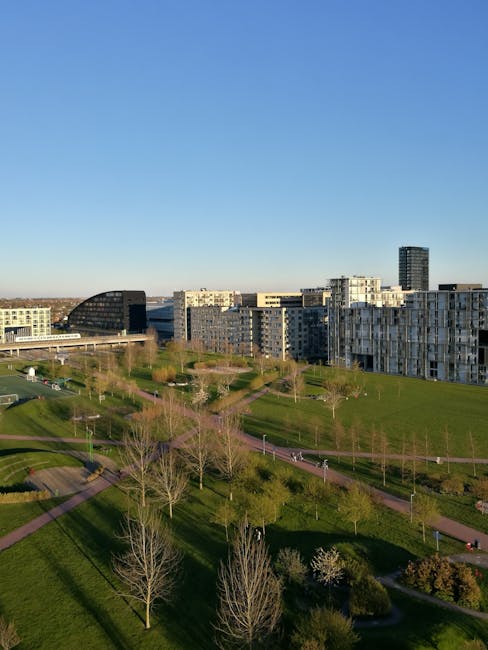
N1C gardeners same day lawn rescue for Kings Cross flats
If your lawn outside a Kings Cross flat has gone patchy, muddy, scorched or just plain sad-looking, you probably do not want a long wait and a big reshuffle of your week. You want someone local, sensible and fast. That is where N1C gardeners same day lawn rescue for Kings Cross flats comes in: a practical, same-day way to restore a tired patch of grass, tidy the space, and get things looking respectable again without turning the day into a project. For residents in N1C, where outdoor space is often compact, shared or a bit awkward to access, speed matters. So does care. And frankly, so does knowing the job will be done properly, not just rushed.
This guide explains what same-day lawn rescue actually involves, why it matters in Kings Cross flats, what to expect on the day, and how to avoid the common mistakes that can make a quick fix worse. You will also find a checklist, a comparison table, and a straightforward FAQ section for the questions people genuinely ask when the grass is in trouble and time is short.
Table of Contents
- Why N1C gardeners same day lawn rescue for Kings Cross flats Matters
- How N1C gardeners same day lawn rescue for Kings Cross flats Works
- Key Benefits and Practical Advantages
- Who This Is For and When It Makes Sense
- Step-by-Step Guidance
- Expert Tips for Better Results
- Common Mistakes to Avoid
- Tools, Resources and Recommendations
- Law, Compliance, Standards, or Best Practice
- Options, Methods, or Comparison Table
- Case Study or Real-World Example
- Practical Checklist
- Conclusion
- Frequently Asked Questions
Why N1C gardeners same day lawn rescue for Kings Cross flats Matters
In a flat, a lawn is rarely just "the lawn". It is the bit of outside space that makes the whole home feel calmer, cleaner and more usable. In Kings Cross, where many properties sit close to busy streets, rail lines, courtyard blocks and converted buildings, a small lawn can be a real asset. It is where children might play for ten minutes before dinner, where a tenant notices first impressions, or where a landlord wants the exterior to look cared for rather than forgotten.
That is why same-day help is useful. Grass problems rarely arrive politely. One hot spell and the edges crisp up. A burst hose or poor drainage leaves mud. Heavy foot traffic from a shared courtyard causes bare patches. Sometimes the space has just been neglected for a few weeks and suddenly the whole thing looks far more tired than it should. You see it in the morning and think, "That cannot wait until next week." Fair enough.
For flats, the urgency is often practical as much as visual. If you are preparing for a move-out inspection, an event, a letting photo shoot, or just a weekend visit from family, a rough lawn can drag the whole property down. A same-day lawn rescue gives you a fast reset, which is often all a small outdoor space needs to feel useful again.
There is also a maintenance reality here. Small urban lawns can deteriorate quickly because they have less room to recover. Compaction, shade from buildings, limited soil depth and irregular watering all make them more vulnerable than a suburban garden. So the value of a prompt response is not just speed for speed's sake. It is about stopping minor damage becoming a longer repair.
Expert summary: In compact N1C and Kings Cross flat gardens, a same-day lawn rescue is most effective when it focuses on fast stabilisation first, then realistic recovery. The goal is not perfection overnight. It is to make the space healthy, tidy and workable again, without stressing the lawn further.
How N1C gardeners same day lawn rescue for Kings Cross flats Works
Same-day lawn rescue is usually a focused service rather than a full garden overhaul. The exact process depends on the condition of the lawn, access, and the time available, but a good visit tends to follow a simple pattern: assess, treat, tidy, and advise. In plain English, the gardener looks at what is actually wrong, handles the urgent issues first, and leaves you with a lawn that looks and functions better by the end of the day.
It often starts with a quick assessment. Is the lawn dry and patchy? Waterlogged? Full of moss? Churned up by pets? Covered in leaves or compacted soil? The answer changes the approach. A dry lawn might need careful scarifying, edging and targeted watering advice. A waterlogged area may need surface clearing and a pause on heavy foot traffic. Bare patches might be top-dressed and reseeded if timing allows. A lawn that has simply been overgrown can usually be recovered quickly with the right cut, edge and clean-up.
On flats, access matters more than people expect. A shared courtyard, basement garden, roof terrace with grassed planters, or narrow side access can change how the work is carried out. You may need quieter tools, shorter working windows, or a careful approach to neighbours and shared surfaces. To be fair, this is where local experience really helps. You do not want someone dragging soil through a communal hallway like it is nothing. Nobody enjoys that.
A same-day service may include some or all of the following:
- Initial lawn condition check
- Mowing or cutting to a safer, cleaner height
- Edging for a sharper boundary
- Leaf and debris clearance
- Light raking or scarifying where appropriate
- Patch treatment or overseeding if conditions allow
- Minor levelling or top dressing in small problem areas
- Watering guidance and follow-up care advice
What it usually does not include is a miracle fix for a lawn that has been damaged for months. A good gardener will be honest about that. Same-day rescue is about getting the space back under control, then making sure the next steps are realistic.
Key Benefits and Practical Advantages
The most obvious benefit is speed. If you have a flat in N1C or around Kings Cross and the lawn needs help now, not next week, same-day service removes a lot of stress. That can matter more than people admit. A tidy lawn changes the feel of a home instantly. It softens the hard lines of city living and makes the outdoor space look intentional rather than accidental.
Another real advantage is damage control. A fast response can stop a simple issue from spreading. For example, patchy drying can worsen if the lawn is left compacted and cut too short again. Muddy zones can get worse if people keep walking over them. A same-day rescue gives the area a better chance to recover before the problem settles in.
There is also the convenience factor. Many flat owners, tenants and managing agents do not have time to coordinate repeated visits. Maybe the balcony doors are being replaced, the lease inspection is coming up, or you just have a narrow slice of the day available. One efficient visit can be worth more than several half-finished attempts over a week.
Here are the practical benefits many residents notice first:
- Better first impressions for guests, buyers, tenants or landlords
- Less stress because the job is handled promptly
- Safer ground when muddy or uneven patches are dealt with early
- Cleaner edges and surfaces that make the whole area feel cared for
- More usable space for sitting, relaxing or light play
- Clearer next steps if longer-term repair is needed
There is a quieter benefit too: peace of mind. Once a lawn has been rescued and tidied, you can stop looking out of the window and thinking, "I really must do something about that." Small win, but a real one.
Who This Is For and When It Makes Sense
This kind of service is especially useful for people who need results quickly and do not have the tools, time or space to do the work properly themselves. In Kings Cross flats, that includes a fairly mixed group.
Homeowners may want to improve the look of a small private garden before guests arrive or before listing a property. Renters may need to restore a lawn after a period of neglect, poor weather or awkward shared use. Landlords and letting agents often need a practical refresh before marketing photos, inspections or a new tenancy. Property managers may be dealing with a courtyard or communal patch that has become untidy faster than expected. And yes, sometimes it is just a resident who wants the space to feel decent again without spending the weekend knee-deep in clippings.
It makes sense when the lawn is:
- Looking uneven, brown or tired but still salvageable
- Overgrown and in need of a proper reset
- Patchy after dry weather, poor drainage or heavy use
- Let down by messy edges, weeds or scattered debris
- Needed for a same-day viewing, event or handover
It may be less suitable if the lawn needs full replacement, major drainage work or deep soil remediation. That is where people sometimes overestimate what a quick visit can do. Truth be told, a tired lawn and a failed lawn are not the same thing. A good gardener will help you tell the difference.
If you are unsure, ask for a clear assessment before any work begins. A sensible local gardener should be able to explain whether the space needs a rescue, a staged repair, or something bigger. That kind of honesty matters more than a glossy promise.
Step-by-Step Guidance
If you are arranging same-day lawn rescue for a flat in N1C, the process is usually straightforward. Still, it helps to know what happens so you can prepare the space and avoid delays.
- Describe the problem clearly. Say whether the issue is dryness, mud, long grass, weeds, bare patches, pet damage, or something else. A couple of photos help, especially if access is awkward.
- Share the basics of access. Mention gates, stairways, communal entrances, parking restrictions, lift access, roof terrace rules or anything that could affect timing.
- Confirm the goal for the visit. Do you want a quick cosmetic rescue, a tidy-up before guests arrive, or the start of a more serious recovery plan?
- Let the gardener assess on arrival. Good lawn work starts with looking closely at the surface, the edges and the soil. Not all damage looks dramatic, but it still needs the right treatment.
- Carry out the urgent work first. This may mean clearing debris, cutting back excessive growth, dealing with damaged areas, and making the lawn safer and neater.
- Decide if patch repair is realistic. In some cases, light overseeding or top dressing can be done straight away. In others, it is better to wait for conditions to improve.
- Finish with tidy edges and a clean-down. In flats, this is a bigger deal than people think. A clean finish protects shared areas and leaves a better impression.
- Receive aftercare guidance. This should be practical, not fussy. How much to water, whether to keep off the lawn for a while, when to mow next, and what to watch for.
A useful detail here: the best same-day rescue is often the one that avoids overdoing it. If the lawn is stressed, aggressive treatment can set it back. So a measured approach is usually the smarter one. Less drama, better recovery.
Expert Tips for Better Results
After enough urban garden visits, a few patterns become obvious. The lawns that recover best are the ones where the rescue work matches the condition of the space, not the wishful thinking of the owner. That sounds obvious, but you would be surprised how often people want a turf miracle in a single afternoon.
Here are a few practical tips that make a real difference:
- Do not cut stressed grass too short. A low cut can make heat and dryness worse. In city courtyards, a slightly higher cut is often safer.
- Keep traffic off bare or muddy patches. Even a few extra footsteps can compact the soil and slow recovery.
- Water deeply but sensibly. Frequent light watering often helps less than a proper soak, depending on conditions.
- Deal with edges and debris first. A lawn can look dramatically better after simple edging and clearing, even before repair work starts.
- Use seed only when the surface is right. Reseeding into poor soil or standing water is a waste of time, and a bit frustrating too.
- Plan around weather windows. A damp, calm morning is often better than a hot afternoon for cutting and repair.
One small but useful observation: in Kings Cross, shade changes through the day more than people expect. A lawn that gets lovely morning light may sit in cold shade later on, especially in courtyard settings. That affects drying, mowing and recovery. If you have ever wondered why one end of the grass always looks grumpier than the other, well, there you go.
Also, if the lawn borders paving or a terrace, ask for precise edging. It sounds minor, but neat edges make a small garden look finished. Not fancy. Just finished. And that matters in a flat where every metre counts.
Common Mistakes to Avoid
Quick lawn rescue sounds simple, but a few common errors can undo the work fast. The biggest mistake is treating every problem like it needs the same fix. Brown grass is not always dead grass. Wet soil is not always just "a bit muddy". And a rough-looking lawn is not automatically beyond help.
Here are mistakes worth avoiding:
- Rushing into a heavy cut before checking the lawn's condition
- Ignoring drainage issues and assuming the surface problem is the real problem
- Overwatering, especially in shaded or poorly drained flat gardens
- Using cheap or blunt tools that tear rather than trim
- Walking on the lawn too soon after treatment or repair
- Trying to repair deep damage in one go when a staged approach would work better
- Forgetting communal areas and leaving mud, clippings or soil where neighbours will notice
Another common issue is expecting instant perfection after the rescue. A lawn can look much better straight away, but some repairs need time. Seed has to settle. Roots need to knit in. Dry patches need consistent care. That is normal. The important thing is that the lawn is no longer sliding backwards.
If you are arranging help for a flat, it is also smart to avoid vague instructions like "just make it look nice." That is where miscommunication happens. Better to say what you want: "Please tidy it for a viewing," or "Please stabilise the bare patch and leave clear aftercare notes." Specific is better. Always.
Tools, Resources and Recommendations
Good lawn rescue in an urban flat setting relies on using the right tools for the space, not the biggest or loudest ones. A careful gardener will usually bring a mix of cutting, clearing and light repair equipment suited to the job. For compact N1C properties, lower-noise options can be especially helpful where neighbours are close or work needs to happen during limited hours.
Typical tools and materials may include:
- Sharp mower or cutting equipment for a clean finish
- Hand shears or edging tools for borders and corners
- Leaf rake or debris rake
- Scarifying or dethatching tools for moss and thatch where appropriate
- Top dressing material for minor levelling
- Grass seed for patch repair, if conditions are suitable
- Wheelbarrow, buckets or carry tubs for clean removal
- Protective sheets or mats for shared access routes
For residents, the most useful "resource" is often a simple note of the lawn's history. Has it been overwatered? Left in shade? Damaged by pets? Recently repaired? That information helps shape the visit properly. It is not glamorous, but it saves time and leads to better decisions.
One practical recommendation: keep a small aftercare kit for the days after rescue. That may include a watering can, a light rake, and a way to mark off newly repaired areas if people might walk through them. In a flat, tidy habits matter because the space is shared and compact. A little care goes a long way.
If you need broader garden help around the lawn as well, it can be worth coordinating the visit with other upkeep tasks. For example, some residents also ask for support with hedge and shrub work, which can make a small garden feel less boxed in. If that is part of your plan, a service like hedge trimming across London may be a sensible companion to lawn rescue, provided it matches the job you actually need.
Law, Compliance, Standards, or Best Practice
For most private lawn rescue jobs in Kings Cross flats, the main concern is not complex legal compliance. It is good practice, safe access, and respect for the building and the people who live there. Still, a few points matter.
First, if the garden is part of a leasehold, managed block or shared courtyard, there may be building rules about access times, noise, waste disposal, or working in communal areas. These are usually set by the landlord, managing agent or residents' management arrangements. A responsible gardener should be willing to work within those rules rather than pushing ahead regardless.
Second, safe working matters. Tools should be handled carefully, paths should be kept clear, and wet surfaces should be treated with caution. In a flat setting, that includes looking after hallways, lifts, stairwells and shared entrances. A quick job should still leave the place clean and safe.
Third, if clippings, soil or green waste are removed, they should be dealt with properly. The exact method will depend on the building and the gardener's setup, but the principle is simple: do not leave a mess behind for someone else to sort out.
There are also best-practice expectations around lawn care itself. These are not legal requirements, just sensible standards. For example: do not scalp stressed grass, do not repair waterlogged areas too aggressively, and do not use more feed or seed than the lawn can reasonably support. In London's mixed microclimates, the cautious approach is often the most professional one.
Options, Methods, or Comparison Table
If your lawn needs help today, there are a few different ways to approach it. The right choice depends on how bad the damage is, how much time you have, and what kind of result you need. Here is a simple comparison to make the decision easier.
| Approach | Best for | Speed | Result | Limitations |
|---|---|---|---|---|
| DIY quick tidy | Very light mess, small trims, simple clearing | Fast if you already have tools | Improves appearance, but limited recovery | Can be uneven and easy to overdo |
| Same-day lawn rescue | Urgent tidy-up, patchy grass, messy flat gardens | Fast | Practical, cleaner, more stable lawn | Not a full renovation |
| Staged repair plan | Deeper damage, bare patches, soil problems | Slower | Better long-term recovery | Not ideal when you need an immediate fix |
| Full lawn replacement | Severe failure or long-term neglect | Slowest | Fresh start | Higher disruption and more planning needed |
For many Kings Cross flats, same-day rescue sits in the sweet spot. It gives you a visible improvement quickly without locking you into a bigger project before you are ready. That is often exactly what people need.
Case Study or Real-World Example
A typical example: a resident in a N1C flat notices their small courtyard lawn has become patchy after a spell of dry weather, plus a few weeks of extra foot traffic from people coming and going during a flat refurbishment. It is not dead, but it looks rough. There are thin areas near the edge, a muddy patch by the path, and a general sense that the garden has given up a bit.
They need the space looking presentable the same day because visitors are arriving in the evening. The gardener arrives, checks the soil condition, clears debris, trims back the overgrowth around the border, and tidies the edge line. The muddy patch is not force-repaired because the soil is still too soft for a proper fix. Instead, the area is stabilised, the surface is cleaned, and the owner gets clear advice on watering and what to avoid for the next few days.
The difference is immediate. Not dramatic in a magazine-cover way. Just clean, calm and better. The lawn no longer draws attention for the wrong reasons. The courtyard feels like part of the home again. And importantly, the owner knows what to do next, rather than guessing.
That sort of job is common in London flat settings. Sometimes the win is not a perfect lawn. Sometimes the win is simply getting back to "good enough to be proud of" without messing up the surface further. And honestly, that counts.
Practical Checklist
Use this quick checklist before a same-day visit so everything runs smoothly:
- Take a few clear photos of the lawn in daylight
- Note the main problem: dry, wet, patchy, overgrown, damaged or messy
- Check access details for gates, lifts, stairs or communal entrances
- Share any time limits or neighbour restrictions
- Move furniture, toys, pots or loose items if possible
- Keep pets and children away from the work area during the visit
- Ask whether the lawn can be repaired immediately or needs staged recovery
- Confirm whether clippings and debris will be removed
- Get aftercare instructions before the gardener leaves
- Mark repaired or fragile areas so they are not walked on by accident
A little prep saves a surprising amount of time. And in a flat, time and access are usually the biggest variables.
Conclusion
N1C gardeners same day lawn rescue for Kings Cross flats is not about fancy garden design or long-term landscaping plans. It is about speed, judgement and practical care when your lawn needs help now. In a dense part of London, where outdoor space is often small but still hugely valuable, a well-handled rescue can change how a home feels in a single visit.
The key is to match the response to the problem. Quick tidy-up for light mess. Careful stabilisation for damaged patches. Honest advice when a deeper fix is needed. That is the difference between a rushed job and a useful one.
If your flat garden is looking rough, do not wait for the issue to get noisier, bigger or more expensive. A prompt, sensible response usually gives you the best outcome, and a far calmer weekend too.
Get a free quote today and see how much you can save.
Sometimes the smallest patch of grass can bring the biggest sense of relief when it finally looks right again.
Frequently Asked Questions
What does same-day lawn rescue usually include for a Kings Cross flat?
It usually includes an assessment, cutting or mowing if needed, edging, clearing debris, light recovery work, and practical aftercare advice. The exact mix depends on the lawn's condition and access.
Can a lawn really be improved on the same day?
Yes, in many cases it can. You may not get a full recovery overnight, but a lot can be achieved quickly: a cleaner cut, tidier edges, better surface condition and a more presentable overall look.
Is same-day lawn rescue suitable for very small flat gardens?
Absolutely. In fact, small gardens often benefit most because the visual improvement is immediate and the work can be targeted very precisely.
What if the lawn is badly patchy or half dead?
That may need a staged repair rather than a quick rescue. A good gardener should tell you honestly whether the lawn can be stabilised now and improved later, or whether a bigger fix is needed.
How do I prepare my flat garden before the gardener arrives?
Move loose items, give access information in advance, and share photos if possible. That makes the visit quicker and helps the gardener bring the right tools.
Will same-day lawn rescue damage the lawn if it is already stressed?
It should not, if it is handled properly. The key is using the right approach for the condition of the grass, rather than forcing a heavy treatment when the lawn needs a lighter touch.
Is this service useful before a letting or sale viewing?
Yes. A tidy, healthy-looking lawn can make a strong difference to first impressions, especially in a flat where outdoor space is a selling point rather than a bonus.
What should I ask before booking?
Ask what the visit includes, how access is handled, whether debris will be removed, and whether the lawn needs follow-up work. Clear questions usually lead to better results.
Can poor drainage in a flat garden be fixed on the same day?
Not usually in a full sense. Surface symptoms can be improved, but real drainage issues normally need a longer-term plan. Same-day work can still help by stabilising the space and preventing further damage.
What is the difference between a lawn tidy-up and lawn rescue?
A tidy-up is mostly cosmetic. Lawn rescue goes a bit further and focuses on helping the lawn recover, or at least stopping it from getting worse. In a flat, that difference can matter a lot.
How soon can I walk on the lawn after repair work?
That depends on the work done. Light tidying may allow quicker use, while seeded or repaired areas usually need time. Always follow the aftercare advice given on the day.
Why is local experience important in N1C and Kings Cross?
Because access, neighbours, shade, shared surfaces and compact layouts all change how the work should be done. A local gardener who understands flat living is more likely to avoid delays and messy mistakes.